Moon Phase Calendar & Calculator
What is the moon actually doing tonight? Here are the eight phases, the math behind the 29.53-day synodic month, and an honest comparison of the four ways people track it — including rough costs.
The Eight Phases, Explained
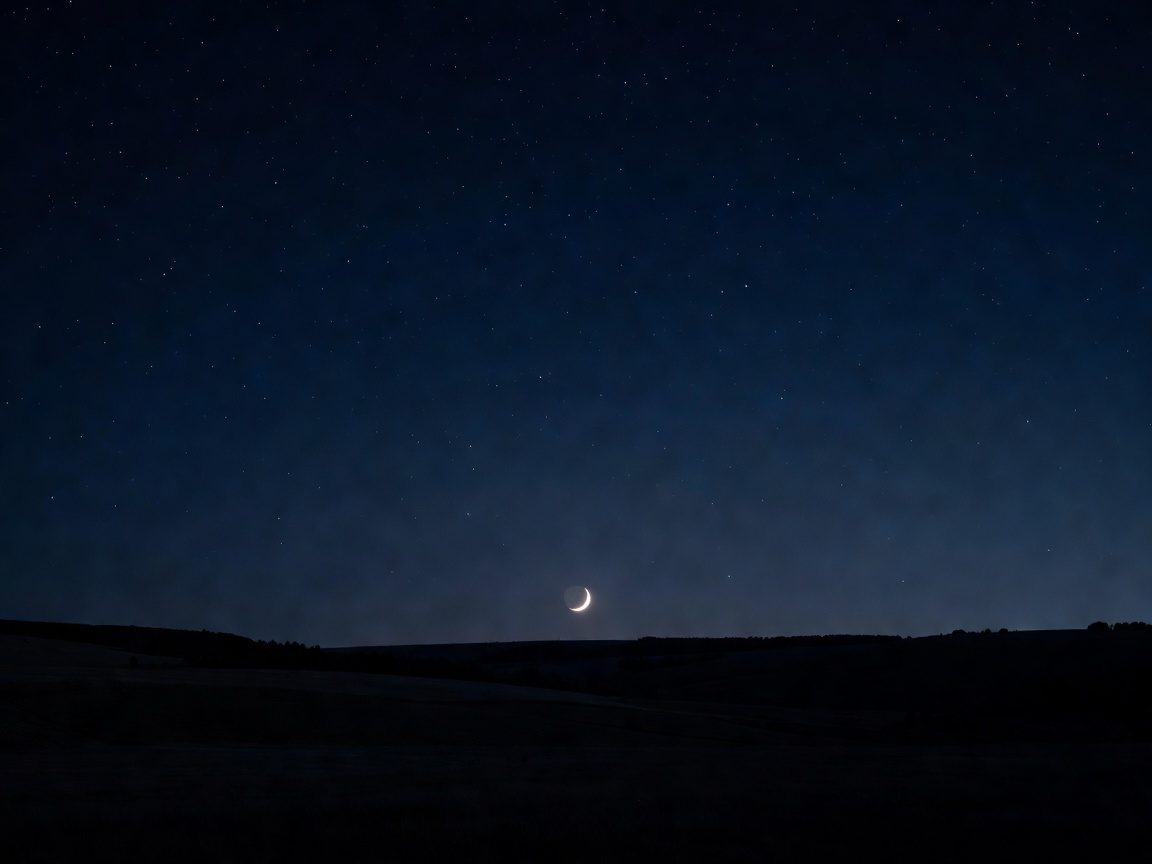
Every lunar cycle moves through eight recognised stages, each defined by how much of the moon's near side is lit by the sun. Ritual traditions have long matched these stages to different kinds of inner work — not because the moon causes anything measurable, but because a repeating visual cue is a genuinely useful anchor for reflection.
| Phase | Illumination | Typical Use |
|---|---|---|
| New Moon | 0% | Intention-setting, starting projects, deep rest |
| Waxing Crescent | 1–49% | Early planning, gentle momentum |
| First Quarter | 50% | Decision-making, overcoming obstacles |
| Waxing Gibbous | 51–99% | Refinement, editing, patience |
| Full Moon | 100% | Culmination, release rituals, gratitude |
| Waning Gibbous | 99–51% | Sharing, teaching, gratitude journaling |
| Last Quarter | 50% | Letting go, forgiveness, clearing clutter |
| Waning Crescent | 49–1% | Rest, surrender, closing the cycle |
The pattern repeats roughly every four weeks, which is exactly why it works well as a journaling scaffold: short enough to remember, long enough to show real patterns.
How the Synodic Month Works
A synodic month — new moon to new moon — averages 29.53 days. That's different from a sidereal month (27.32 days), which measures the moon's orbit against the fixed stars. The gap exists because Earth is also moving around the sun, so the moon has to travel a bit further each cycle to line back up between Earth and the sun.
Because 29.53 doesn't divide evenly into a 30- or 31-day calendar month, the same phase drifts by roughly 11 days relative to a fixed solar calendar each year — the same reason purely lunar calendars (covered in our Historical Moon Traditions guide) slide across the seasons over time.
Choosing How You Track the Moon
There is no single "correct" tool — the right choice depends on how precise you need to be and how much screen time you want involved in a ritual practice.
| Method | Approx. Cost | Best For |
|---|---|---|
| Printed wall calendar | $12–18/yr | Tactile, no-screen ritual object |
| Mobile moon-phase app | Free–$40/yr | Exact illumination %, push reminders |
| Printed almanac book | $8–15 one-time | Bundled planting/tide data, long shelf life |
| Observatory or planetarium website | Free | Scientifically precise, real-time data |
Printed Calendars & Almanacs
- Pro: no screen fatigue, doubles as a ritual object
- Pro: fixed cost, no subscription
- Con: fixed to one hemisphere/timezone at print time
- Con: no reminders or notifications
Apps & Observatory Sites
- Pro: exact illumination percentage and next-event countdowns
- Pro: automatically adjusts to your location
- Con: subscription creep on premium apps
- Con: less ritual-friendly than a paper object
Building Your Own Simple Calculator
You don't need an app to estimate tonight's phase within about a day of accuracy — plenty for ritual timing:
- Pick a known reference new moon date (for example, 6 January 2025).
- Count the number of days that have passed since that date.
- Divide that number by 29.53 and keep only the remainder (the decimal, multiplied back by 29.53).
- Match the remainder to the illumination ranges in the phase table above.